
Hours back
Repetitive admin and data entry handled automatically, so your team spends its day on work that needs a person.
We add AI where it saves real hours: answering customer questions, reading documents, and moving work between your tools. It is built into your existing web and mobile apps, with the costs worked out before you commit.
Most businesses don’t need “an AI”. They need one slow task done faster.
Repetitive admin and data entry handled automatically, so your team spends its day on work that needs a person.
Customers and staff get answers from your own documents in seconds, not after an email thread.
Forecasts built from data you already collect, so planning starts from numbers rather than guesses.
If a simple rule or a spreadsheet does the job better, we’ll say so.
Building a new product with AI at its centre? See AI MVP & SaaS Development
Eight kinds of AI we add to web and mobile products, each built into the app your team already uses.
LLM features such as summaries, drafting and classification, added to the Laravel, React or Flutter app you already run.
Laravel developmentGood forSaaS products and internal tools
Chat over your manuals, policies and product data that answers with its sources, so every reply can be checked (RAG).
Good forSupport, sales and HR teams
Multi-step tasks across email, CRM, sheets and ERP, with an approval step before anything important happens.
Good forOperations and back-office work
Fields pulled out of invoices, IDs, contracts and forms, and saved straight into your database.
REST API developmentGood forFinance, onboarding and compliance
Search by meaning instead of exact words, “similar items”, and product discovery that learns from use.
Good forCatalogues, marketplaces and portals
Website and WhatsApp assistants that hand over to a person with the whole conversation attached.
Good forCustomer service desks
Demand, churn and pricing forecasts built from your own history.
Good forRetail, hospitality and subscriptions
A short test on your real data before any big build, so you know it works before you commit to more.
Book a use-case callGood forA first AI project
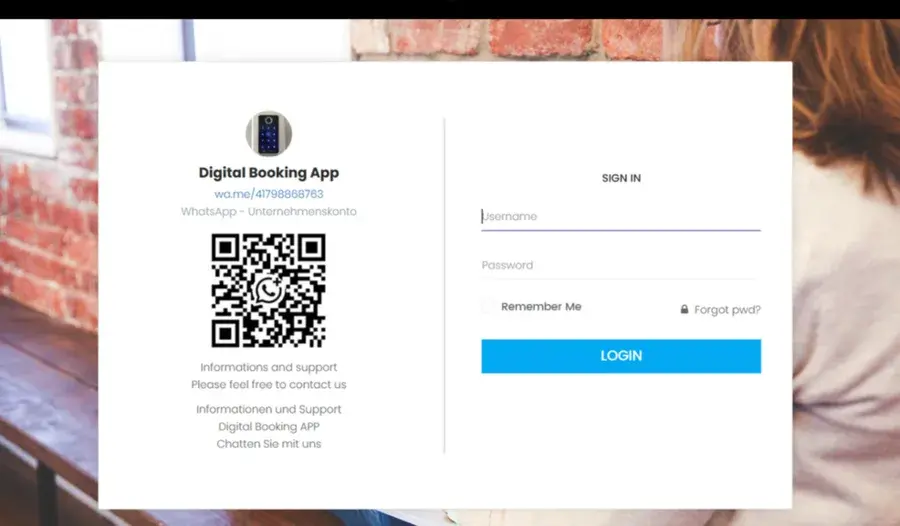
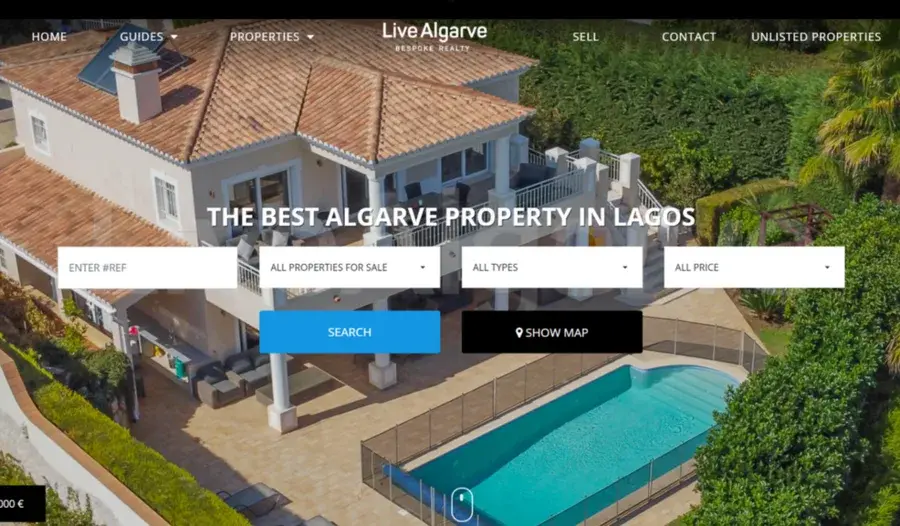
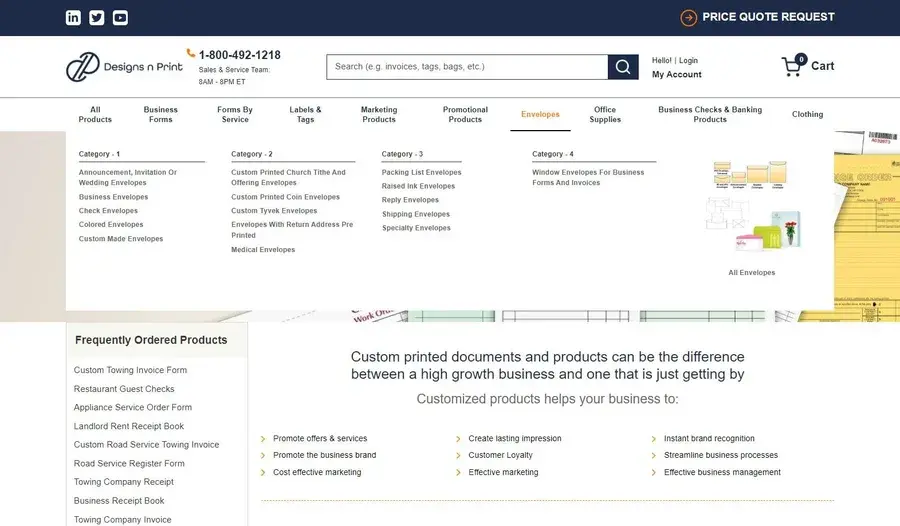
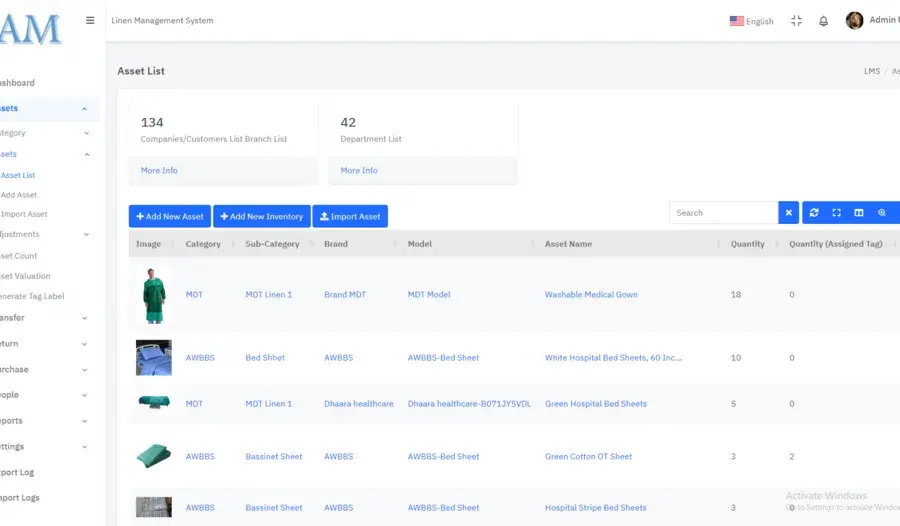
Starting points drawn from the industries in our portfolio. Pick yours to see three places AI could help, and a product we built in that field.
Answers availability and pricing questions, then takes the booking in the chat.
Hundreds of guest reviews turned into a short weekly list of what to fix.
Suggested room rates from occupancy, season and local events.
“A quiet two-bedroom near a school” finds the listings that match.
Descriptions drafted from photos and property details, ready for an agent to edit.
Enquiries ranked by how likely they are to buy or rent.
Titles, attributes and tags filled in across thousands of products.
Customers ask “where’s my order?” and get a real answer, day or night.
Return requests sorted by reason, with refunds suggested for the simple ones.
Survey comments grouped into themes a manager can act on.
Skills pulled from CVs and reviews into a searchable skills map.
Staff questions answered from the HR handbook, with the page cited.
A first repair estimate from the photos a customer uploads.
Service slots booked in the chat, with reminders sent automatically.
Technician notes turned into a clear report for the customer.
How much stock next week needs, from past usage and bookings.
Late or incomplete deliveries flagged before a customer notices.
Supplier invoices checked against orders and deliveries.
Six steps, and you can stop after any of them. Each one ends with something you can see and judge.
Choose one task and agree how success will be measured.
What data exists, privacy limits, the model to use and the running cost per 1,000 requests.
Working on your real data and scored against a test set.
Inside your app, with login, logs and a fallback when the model fails.
Accuracy checks, cost caps, rate limits and human review where it matters.
Usage reports, prompt updates and model upgrades as providers change.
Dashed durations are typical ranges, confirmed for your project after the workshop.
Start with step 1. A use-case call costs you half an hour and tells you whether AI is worth it.
Book a use-case callSix commitments that come with every AI feature we build, whatever its size.
Business API terms or self-hosted models. Nothing you send is used to train public models.
HowZero-retention settings wherever the provider offers them.
Names, numbers and IDs are hidden before a request ever reaches a model.
HowMasking runs on your server, before the API call.
Payments, customer emails and record changes wait for a person to say yes.
HowAn approval step built into the workflow itself.
Spending limits and alerts, so a monthly bill never surprises you.
HowPer-feature budgets, with a warning before the limit.
The model can be switched: OpenAI, Claude, Gemini or open models.
HowOne thin layer between your app and the provider.
Checked against real questions from your business, not demo prompts.
HowA scored test set that runs before every release.
We choose per task, test on your data, and keep the model swappable.
Each step builds on the one before, so nothing you pay for is thrown away.
A working proof on your own data, so the decision to build rests on evidence.
From pilot to launch, built into your web or mobile app by one team.
Engineers who join your roadmap and keep improving what has shipped.
AI is one part of a product. We build the rest of it too.
Apps, APIs and mobile around the model, so the AI feature has somewhere real to live.
AI joins engineering habits proven over 10 years: code reviews, tests and staged releases.
IST hours with a morning overlap for Europe and evening calls for the US.
Code, API keys and cloud accounts are in your name from day one.
Short answers to what buyers ask us most. Anything else, ask in your request.
+91 97123 07570Mon–Fri, 9:30 AM – 7:00 PM ISTNo. Many assistants start from documents you already have: manuals, policies and product sheets. Predictions need more history, and the data check tells you whether you have enough before you spend on a build.
The one that fits the task, your budget and your privacy rules. We compare a few on your own test questions during the proof of concept, and build so the model can be switched later.
Yes, that is most of our AI work. The feature is added to the app you already run, with its own logs and a fallback, rather than as a separate tool your team has to learn.
We use business API terms that keep your data out of model training, mask personal data before it is sent, and keep keys on your server. Where your rules require it, we use models hosted in your own cloud.
It depends on how many requests it handles and which model it uses. The data and cost check gives you an estimate per 1,000 requests, and cost caps keep the bill inside the limit you set.
It depends on the task and the state of your data, and the timeline is agreed before we start. You get a working proof on your real data, scored against a test set, so the decision to build is based on evidence.
We plan for it. Answers show their sources, low-confidence replies go to a person, and important actions wait for approval. Wrong answers found in use join the test set, so the same mistake is caught before the next release.
Yes. We watch usage and cost, update prompts and models as providers change, and send regular reports. Many teams move to a monthly Dedicated AI Team for this.
One slow, repetitive task is enough to start. We’ll tell you honestly whether AI is the right tool for it.
Prefer email? info@amcodr.com