

Fast on a phone on mobile data, which is how most of your visitors will arrive.
Website Design and Development
Website Development Company
Most people meet your business on a screen long before they meet anyone from it. The website is that first meeting, and it is the only part of your marketing that keeps working while everybody is asleep.
We build sites that open fast on a phone, that a search engine can read without guessing, and that your own team can change on a Tuesday afternoon without raising a ticket. Design, build, launch, and the keys handed over properly.
- 10+Years building for the web
- 20+IT professionals in the team
- 7Website services under one roof
Our Conviction
A website earns its keep by being found, being fast, and being yours to change.
A site that looks right in a design file and takes eight seconds to open on a phone on mobile data has already lost the visitor it was built for. So we start from the conditions people actually browse under — a small screen, a patchy signal, a few seconds of patience — and design outwards from there.
The second thing that decides whether a site earns its keep is who is allowed to change it. A site you have to email an agency about is a site that goes stale, and a stale site quietly stops being found. Yours should be editable by the person who writes the words.
A website is not a launch. It is something your business uses every week, and the week after launch is when it starts to matter.
We have built property, travel, retail, print and specialist service sites, several of them in the portfolio on this site with the real pages their visitors use. The opinions above come out of that work rather than off a checklist.
You get a named team, a page-by-page plan agreed before anything is designed, the pre-launch checks run in front of you, and a hand-over that includes the accounts and a walkthrough — not a link in an email.
Benefits
What building your site with AmCodr gives you
Built to be found: titles, structure and a sitemap a search engine can read without guessing.
Edited by your own team, in words rather than in code, without raising a ticket with us.
Usable with a keyboard, a screen reader or a zoomed-in browser, because some of your customers need that.
Measured from the first day, with analytics in place and a contact form that reaches a real person.
What We Build
Website Development Services
From the first page list to the launch checks and the version you will want next year: corporate sites, CMS builds, storefronts, landing pages, redesigns and the care afterwards.
Custom Website Design and Development
A site designed for your business rather than dropped into a theme three of your competitors are also using. We plan the pages around what your visitors came to do, design them on your real content, and build them to load fast, read properly on every screen and stay easy to change. You end up with a site that looks like you and works like a tool.
Talk about your siteBusiness and Corporate Websites
The pages a company actually needs — what you do, who you are, the proof, and how to start a conversation — written to be read and built to be edited. Room to add a section next year without redesigning the site to fit it.
CMS Websites on WordPress
A site your team runs day to day: pages, posts, images and menus changed in a browser, with the editing screens set up around your content rather than left generic and confusing.
About WordPress developmenteCommerce Storefronts
Catalogue, cart, checkout and payments, built for the customer side of the shop. The stock, orders and back-office system behind it is a web application rather than a website, and we build those too.
About web applicationsLanding Pages and Campaign Sites
One page, one goal, live quickly. Built to be measured, so that when the campaign ends you can tell whether it worked instead of arguing about it.
Website Redesign and Migration
A site that still works but looks and performs a decade old, or one that has to move platform. We keep the pages that earn their traffic, redirect the addresses that move, and carry the search ranking across with them.
Website Care and Support
Updates, backups, uptime checks and the small changes every site needs. What is covered and how quickly we respond is agreed in writing before we start, so none of it is a surprise later.
Kinds of Sites
The kinds of sites we build
Six shapes of website we have built more than once. Where one of our own projects fits, the tile opens its case study.
Business and corporate sites
The pages a company needs to be taken seriously, and a structure that can grow a section without a redesign.
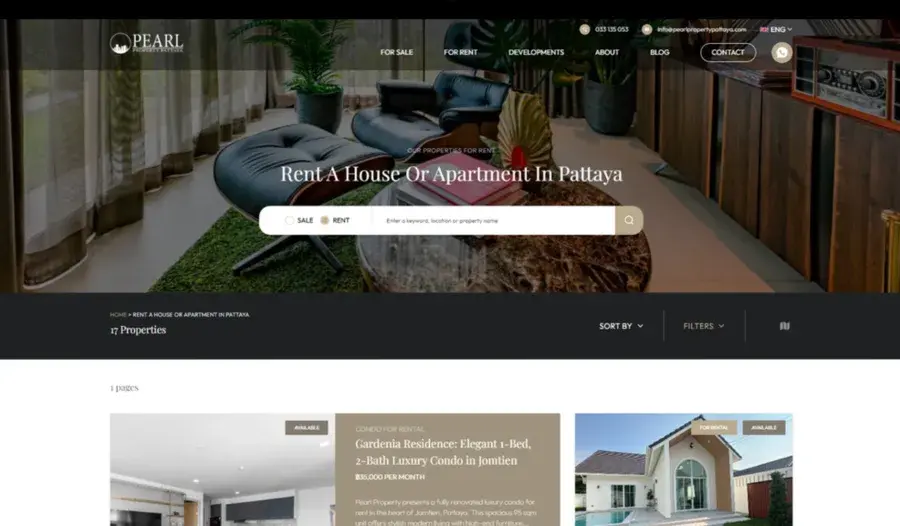
Property and real estate
Listings that are searchable and readable, with enquiry routes that reach an agent instead of a black hole.
Case study: Pearl PropertyTravel and hospitality
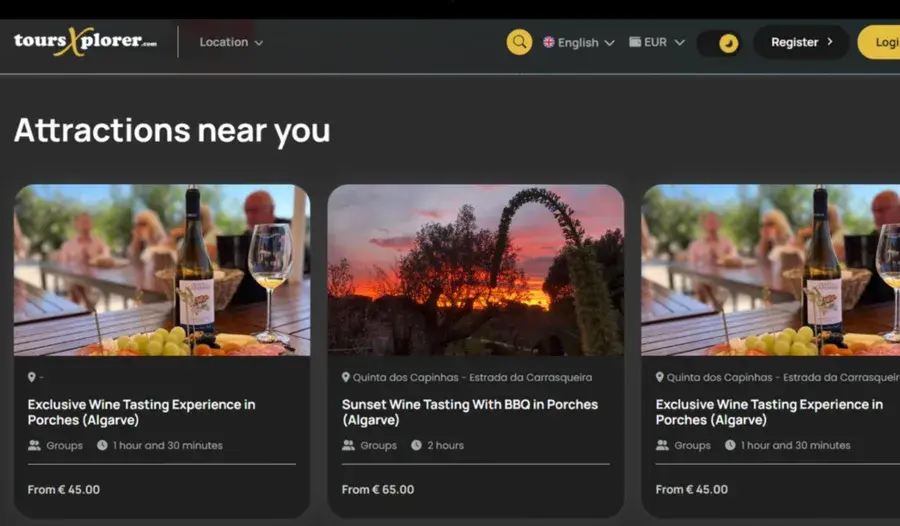
Browsing, availability and booking, on the phone people actually plan their trips on.
Case study: ToursXplorerSpecialist service studios
The work shown properly — before and after, the process, what starting costs — and one clear way to book it.
Case study: RestorFX DubaiOnline storefronts
A catalogue people can search, a checkout that does not lose them, and a shop you can restock yourself.
Case study: DesignsnPrint.comCampaign and launch pages
One page built around one action, live in days rather than months, and measured from the first visitor.
Not one of these? Most sites are a mix of two of them — tell us what yours has to do.
Before Launch
What we check before it goes live
The same list on every site, run with you watching rather than after the fact. Nothing on it is scored and nothing on it is optional.
- Speed on a phoneImages sized and compressed, fonts and scripts cut back to what the page needs, and the first screen ready before the rest arrives.Most of your visitors arrive on a phone, on mobile data, with a few seconds of patience.
- Real screens, not just oursEvery page on a small phone, a tablet, a laptop and a wide monitor, with the real content in it rather than placeholder text.A layout that only holds together at one width is not finished.
- FindablePage titles and descriptions, headings in order, a sitemap, and a redirect for every address that moved.A search engine should never have to guess what a page is for.
- Usable by everyoneColour contrast, keyboard access, labelled form fields, alt text on images, and a focus ring you can actually see.Some of your customers browse with a keyboard, a screen reader or a zoomed-in browser.
- SecureHTTPS everywhere, forms that reject junk before it reaches you, and a written plan for keeping the platform updated.A site is only safe for as long as somebody is keeping it safe.
- MeasuredAnalytics in place before launch, and every form submitted once for real to make sure it lands in a real inbox.A contact form nobody receives is worse than having no contact form at all.
What you get at launch: the domain and the hosting in your own accounts, a login for everyone who will be updating the site, analytics already collecting, and a walkthrough with the people who will use it. Exactly what is included is written into the proposal before we start.
How We Work
Four steps, and the pages are agreed before anything is designed
Almost every website that goes badly went badly at the very start: the pages were never agreed, so the design had to guess, and the content turned up after the build. We do those three things in the other order.
You see the site on a real address from the first week, with your content going in as it is written, so nobody is ever approving a picture of a page.
And before it goes live it goes through the checks below, with you watching, rather than being launched and then fixed.
Plan the pages
A sitemap, and what each page is for.
Plan the pagesWe agree every page the site will have, what each one is meant to make a visitor do, and who writes it. That list is what the design, the build and the launch checks all hang off, and it is also how a small site is stopped from quietly turning into a large one halfway through.
Design on real content
Your words and pictures, not lorem ipsum.
Design on real contentScreens are designed with the content you are actually going to publish: the long product name, the two-line paragraph, the photo that is the wrong shape. Placeholder text hides every problem you are going to have, and hides it until the week before launch.
Build and fill
A real address from the first week.
Build and fillWe build in short sprints on a private address you can open at any time, and your content goes in as it is written rather than all at the end. By the time the build finishes the site is full, which is the only state in which anyone can judge it.
Launch and hand over
The checks, then the keys.
Launch and hand overThe pre-launch checks run with you watching, old addresses are redirected, analytics starts collecting, and then you get the accounts, the logins and a walkthrough for whoever will be updating the site. A hand-over is a hand-over, not a link in an email.
Good to Know
Questions we hear before a website
Short answers before you get in touch. Anything else, just ask in your request.
+91 97123 07570Mon–Fri, 9:30 AM – 7:00 PM ISTWhat is the difference between a website and a web application?
A website presents your business: pages, content a search engine can find, and text your own team can change. A web application is software people log into and work in — accounts, roles, records, approvals, reports. Most businesses need the first, some need both joined together. If you are describing screens that only make sense once somebody has signed in, you are describing a web application, and we build those too.
About web application developmentHow long does a website take?
It depends on how many pages there are, whether the words and pictures exist yet, and whether we are designing from scratch or working with a brand you already have. Content is usually the long pole, not the build. Send us your page list, or let us write one with you, and the proposal comes back with a dated plan rather than a guess.
What does a website cost?
The variables are the page count, whether the design is bespoke or built on the brand you already have, whether you need a shop, and how much of the content we write and produce. We quote per project with the parts broken out, so you can see exactly what changes if something moves to phase two. There is no standard price for this and we would not trust one.
Can we edit the site ourselves?
Yes, and we build for it from the start. Pages, text, images, menus and posts are editable in a browser by somebody who has never seen code, with the editing screens set up around your content rather than left generic. At hand-over you get a walkthrough with the people who will actually be making the changes.
Will our search ranking survive a redesign or a migration?
It survives if the move is planned. Before anything changes we take stock of which pages bring you traffic and what they rank for, keep those pages and their addresses wherever we can, and redirect every address that has to move to its closest replacement. Rankings can wobble for a few weeks after any move; they settle when the content and the redirects are right.
Do you do hosting and maintenance after launch?
We set the site up on hosting held in your own name, so the site stays yours whatever happens between us. After that we offer an ongoing arrangement for updates, backups, uptime checks and the small changes every site needs. What it covers, how quickly we respond and what it costs is agreed with you in writing rather than assumed.
Next Step
Tell us what your site has to do, and we will send back a page list and a price
Send your current site, or a rough idea of what you need. You get back a proposal with the pages set out, how it will be built, what you will be able to edit yourself, a dated plan and a cost broken down by part.
- Send us your pagesYour current site, a page list, or just what the site has to do.
- Get a proposalThe pages set out, how it will be built, a dated plan and a cost by part.
- We build and hand overA named team, a real address from week one, and the keys at the end.