

Designed for one thumb on a moving train, not for a mouse at a desk.
Mobile App Engineering
Mobile App Development Company
Your customer is already holding the screen you want to be on. A mobile app is how you stay there, instead of competing for one more browser tab.
We build native apps in Swift and Kotlin, and cross-platform apps in Flutter and React Native where one codebase can serve both stores honestly. Design, build, release, and the version after that.
- 10+Years building software
- 20+IT professionals in the team
- 4Mobile platforms under one roof
Our Conviction
An app is a product, not a project. What happens after launch decides the rest.
A website can be quietly improved on a Tuesday afternoon. An app cannot: every change goes through a build, a store review and a person who has to choose to update. That single difference shapes how an app should be scoped, written and handed over, and it is the part most teams find out about after the first release.
So we plan the first version around what your users will do in the first week, and we keep the rest of the wish list visible rather than buried. A smaller app that ships and gets used beats a complete one that is still in review.
The build is the short part. The app people keep on their home screen is the one that is still being looked after a year later.
Our mobile team has shipped travel, property, commerce and reporting apps on both stores, in Flutter and natively, and several of them are in the portfolio on this site with their real screens. That work is where these opinions come from.
You get a named team, a build you can install on your own phone from the first sprint, and a written scope that says what is in version one and what is waiting. Nothing about the process is a surprise.
Benefits
What building your app with AmCodr gives you
One codebase where it genuinely fits, and native where the experience has to be exact.
Built for real networks: a slow connection, a lost signal, and the screen that shows while data loads.
Store release handled end to end, including the notes reviewers send back.
A named team after launch for OS upgrades, crash reports and the next version.
What We Build
Mobile App Development Services
From the first sketch to the store listing and the version after it, on iOS, on Android, or on one codebase that serves both.
iOS App Development
Swift and SwiftUI apps for iPhone and iPad, built to Apple’s own guidelines so the App Store review is a formality rather than a fight. Accessibility, dark mode and the newest OS are part of the build, not a later ticket.
Android App Development
Kotlin apps that behave across the whole Android range, from this year’s flagship to the three-year-old phone most of your users actually carry. Play Store release, staged rollouts and the device quirks that only show up in the wild.
Cross-Platform App Development
Flutter and React Native, where one codebase gives both stores the same app and you fund one team instead of two. We will tell you plainly when your app is not one of those cases.
App UI and UX Design
Screens, states and flows designed on real content: the empty list, the failed payment, the name that is too long. The happy path is the easy part, and it is never the part that loses users.
App Modernization and Rescue
An app that crashes, has drifted off the store, or that nobody can build any more. We take the code as it is, make it releasable, then make it good.
See how we rescue a buildApp Support and Releases
Store releases, OS upgrades, crash reporting and the small changes that keep an app worth a place on a home screen. Agreed in writing before we start, so you know what is covered.
Platforms
The four ways we build a mobile app
Two native, two cross-platform. Which one your app wants is a decision we make together, on the requirements rather than on a preference.
- Native
iOS
Swift, for when the iPhone and iPad experience has to be exactly right.
Explore iOS - Native
Android
Kotlin, for when your users’ devices and OS versions are all over the map.
Explore Android - Cross-platform
Flutter
One codebase and one look on both stores, drawn by Flutter itself.
Explore Flutter - Cross-platform
React Native
One codebase for a team that already writes React and wants to keep doing so.
Explore React Native
Not sure which one your app needs? That is the first thing we work out together — read the short answer.
Our Work
Apps we have built
Four mobile apps we designed, built and released, with the screens their users actually see. Each one opens its case study.
- Hospitality & travel
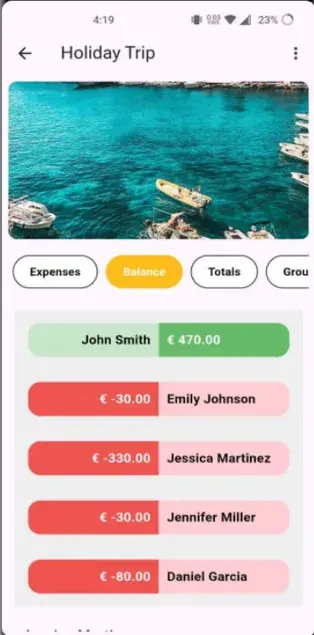
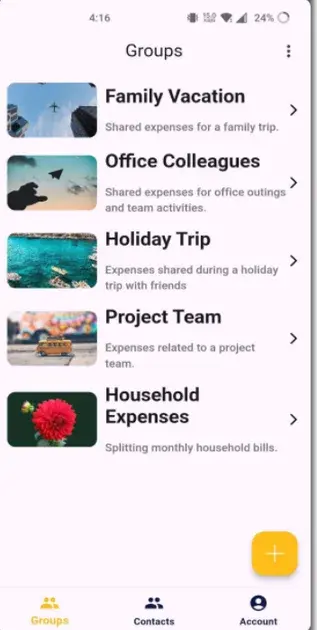
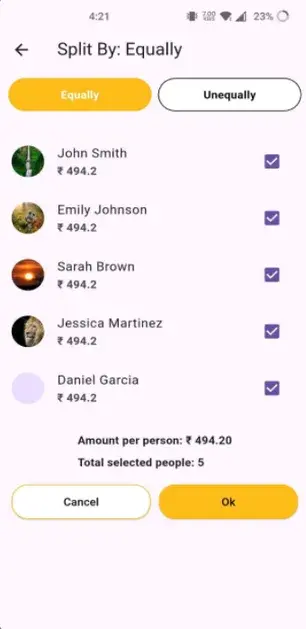
I Owe You
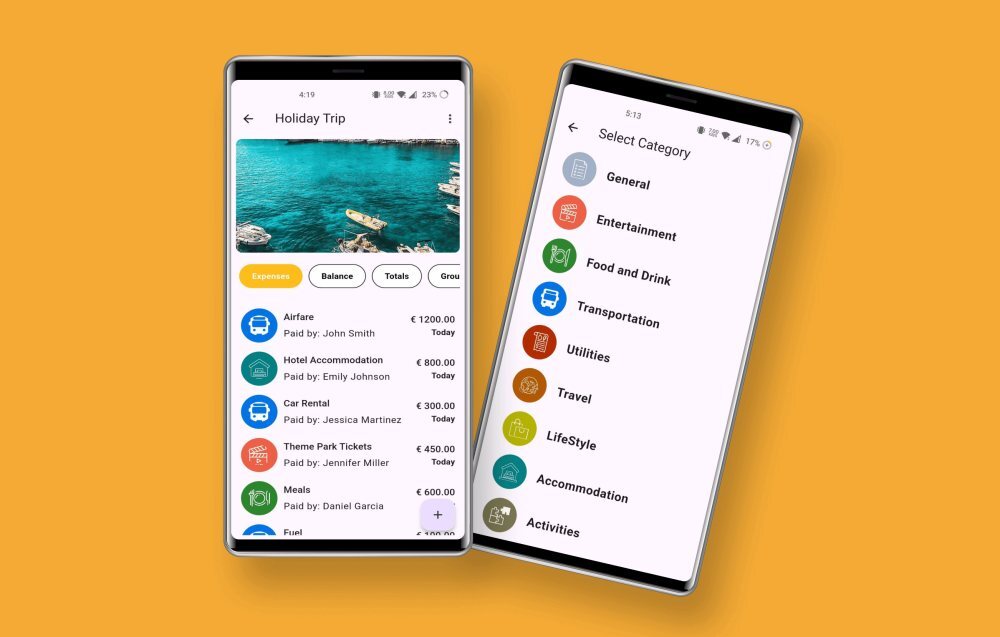
This travel management platform helps users effortlessly plan vacations, track expenses, manage bookings, split group costs, and store travel documents — all in one place.
Read the case study - Commerce & finance
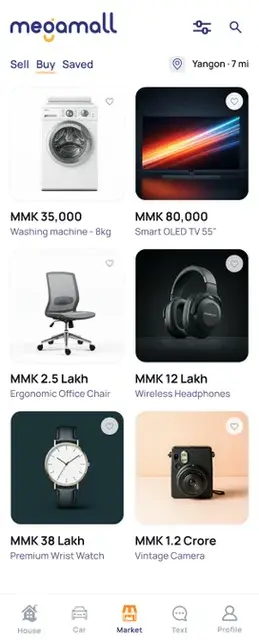
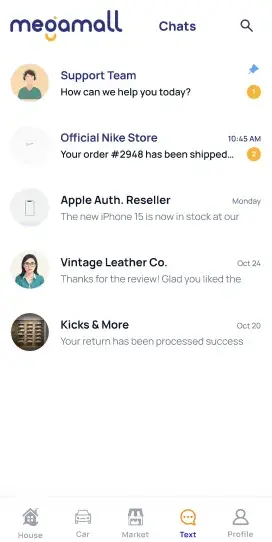
Megamall
This is a Flutter-based marketplace app using the BLoC pattern.
Read the case study - Real estate
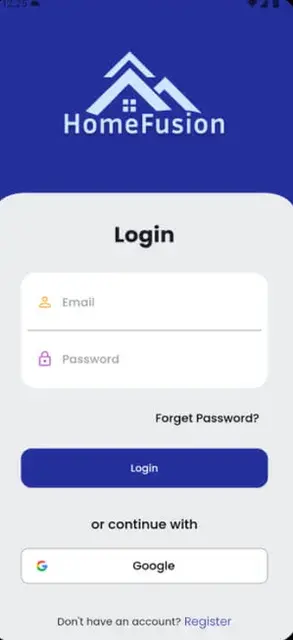
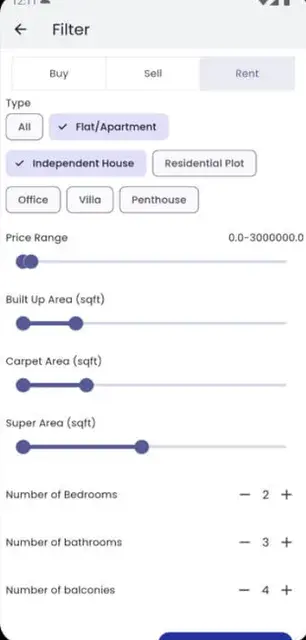
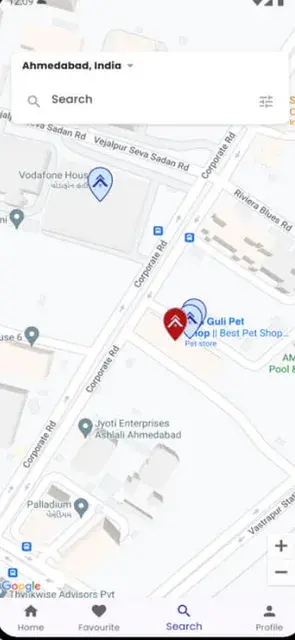
Home Fusion
Home Fusion is a seamless real estate platform that simplifies property search and listings.
Read the case study - People & operations
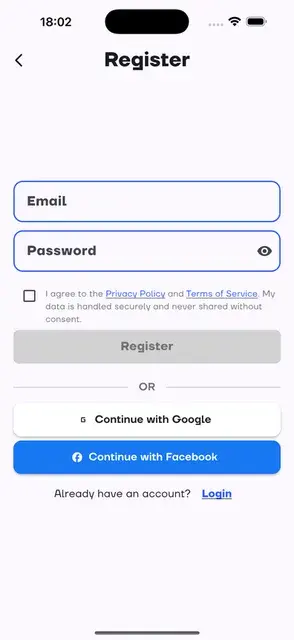
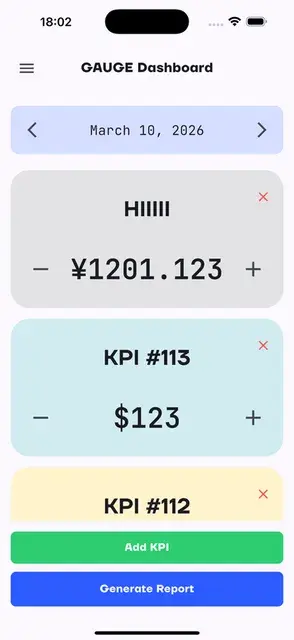
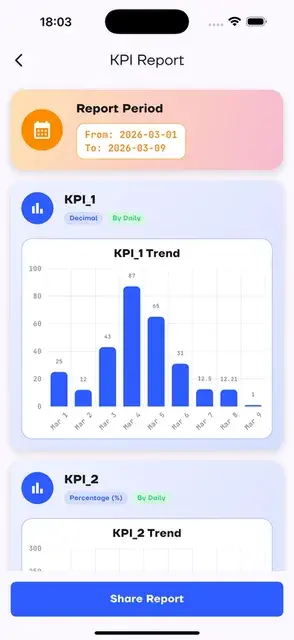
Gauge
Gauge is a Flutter-based KPI tracking app where users can register, log in, and manage KPIs from a dashboard.
Read the case study

The industries our work has shipped into:
Real estatePeople & operationsHospitality & travelCommerce & financeEducationAutomotive
How We Work
Four steps, whether it is one app or a pair of them
Every app we have shipped went through the same four steps, and the order matters more than the tooling. Scope before design, design before code, real devices before the store, and a plan for the week after launch before anyone presses submit.
You see the app on your own phone from the first sprint. That is the point at which opinions become useful: a screen you can hold tells you things a screen you can only look at never will.
We keep the wish list in the open the whole way through, so deciding what waits for version two is a conversation rather than a disappointment.
Discovery and scope
What version one is, and what waits.
Discovery and scopeWe work out who opens the app, what they do in the first week, and what has to be true for that to happen. Everything else goes on a list that stays visible. You leave this step with a written scope, a screen inventory and a clear line between version one and later.
Design for a thumb
Screens, states, and the cases nobody demos.
Design for a thumbEvery screen gets designed with real content and in every state it will actually be in: loading, empty, offline, error, and full of more data than anyone expected. We design for one-handed use and check the contrast and tap targets before a line of app code is written.
Build and test on real devices
Real hardware, not only a simulator.
Build and test on real devicesWe build in short sprints with an installable app at the end of each one, and we test on real phones as well as simulators: older Android hardware, a small iPhone, a slow network. The device list we cover is agreed with you at the start and written into the plan.
Store release
Builds, review, and the week after launch.
Store releaseSigned builds, store listings, screenshots, privacy declarations and the review itself, on both stores. Then the part everyone forgets: we watch crash reports and the first reviews for the week after launch, because that is when the real bugs arrive.
Good to Know
Questions we hear before an app
Short answers before you get in touch. Anything else, just ask in your request.
+91 97123 07570Mon–Fri, 9:30 AM – 7:00 PM ISTNative or cross-platform — which should we pick?
Cross-platform (Flutter or React Native) fits most business apps: the same screens on both stores, one team, one set of bugs. Go native when the app leans hard on the platform itself — heavy camera or sensor work, background processing, tight OS integration, or an interface that has to feel unmistakably like iOS. We will recommend one after we have seen what the app has to do, and we will say why. It is rarely a close call once the requirements are on the table.
How long does a first version take?
It depends on the number of screens, how much of it is new, and whether there is an existing backend to connect to. We will not quote you a stock number here. Send us the requirements and we will come back with a scope, a screen count and a written timeline you can hold us to, before anything is signed.
What does a mobile app cost?
The variables are the same ones that set the timeline: how many screens, one platform or two, native or cross-platform, whether the backend and the designs already exist, and what happens after launch. Tell us what the app has to do and we will send a scoped estimate that breaks the cost down by part, so you can see what changes if something moves to version two.
Who owns the App Store and Play Store accounts?
You do. Publishing under your own developer accounts keeps the listing, the reviews, the analytics and the app itself with your business, and means you are never waiting on an agency to press a button. If the accounts do not exist yet we will set them up with you. The exact hand-over, including any signing keys, is written into the agreement before we start.
Can you take over an app someone else built?
Yes, and it is a large part of what we do. We start by getting the existing code building and releasable on our machines, then write up what we found: what is solid, what is risky, and what it would take to fix. You get that assessment before you commit to any further work, so taking us on is not a leap of faith.
What happens after launch — updates, OS upgrades, crashes?
iOS and Android both ship a major version every year, and an app that is not maintained eventually stops being installable. We offer an ongoing arrangement covering crash monitoring, OS and library upgrades, store releases and a set amount of change work. What it includes and what it costs is agreed with you in writing rather than assumed.
Next Step
Tell us what the app has to do, and we will tell you what it takes
Send the idea, the screens or the existing app. You get back a scope, a platform recommendation with the reasoning, a timeline and a cost broken down by part.
- Share the ideaA call, a document or a sketch of the screens is enough to start.
- Get a scoped estimatePlatforms, screens, technology, timeline and cost, written down.
- Start buildingA named team, and an app on your own phone from the first sprint.